Decades of Research: 800+ Citations
“The number one thing that I loved was that it was filled with so much robust research… this program exposes you to the best of the best, most incredible research.”
—Nicolette Richer, Certificate Graduate
“The number one thing that I loved was that it was filled with so much robust research… this program exposes you to the best of the best, most incredible research.”
—Nicolette Richer, Certificate Graduate
“You get access to some experts that you’d have to pay serious money to bring all those people into one place.”
—Joe Mugan, Certificate Graduate
“Since starting my journey, I’ve lost about 80 pounds… and now because of this course, I have the confidence in knowing the science as to why.”
—Cheri Bandt, Certificate Graduate
“As a pediatrician, learning how to avoid disease was not something that was taught to me in medical school. It’s something that I’ve been waiting for for decades, and I finally feel like I’ve found it.”
—Eric Colgrove, Certificate Graduate
With Thomas Campbell, MD

With Neal Barnard, MD

With Dean and Ayesha Sherzai, MDs
With Brooke Goldner, MD
Mental, emotional, and physical health overlap far more than we commonly acknowledge in our society. And unfortunately, our mental and emotional health are not in good places right now. In this era of digital “connectedness,” binge-watching on streaming platforms, and around-the-clock smartphone use, loneliness and depression have become epidemics.
According to a 2020 data brief from the National Center for Health Statistics:1
Rates of mental health disorders in the US might be higher than average—it is estimated that around four percent of the global population experience depression—but these are by no means exclusively American problems.2 Approximately 280 million worldwide suffer from depression, and more than 700,000 annual deaths result from suicide, a leading cause of death in adolescents and young adults.
This epidemic is not just feelings. It is also physical. The evidence of a bidirectional relationship between emotional/psychological health and physical health is plentiful. For example, we know that those who are depressed are more likely to be obese, and the prevalence of obesity increases as depression becomes more severe.3
We can intuitively understand that if we feel depressed, we may not make the best choices. To medicate our anger, loneliness, stress, and depression, we may turn to hyper-palatable foods. These foods, high in processed sugars and fats, trigger pathways involved in feelings of happiness, including our dopamine and serotonin pathways. Being low on serotonin, as we would be during depressive episodes, it makes sense that we would try to fill the serotonin deficit with a tasty jelly donut or, better yet, three or four.
This response is common and understandable. If we are honest, we can all relate to this behavior. We even have a phrase for it—eating your feelings.
But think about causality in the other direction. In other words, what if depression not only causes unhealthy food and lifestyle choices but also results from unhealthy food and lifestyle choices?
People who are obese have suppressed dopamine pathways. The more obese they are, the more limited are their dopamine receptors.4 This limitation means that they need more stimulus (e.g., more hyper-palatable food) to get the dopamine surge required to achieve what we might call satisfaction. We now know from animal experiments that sugar diets can alter chemical receptor activity in the brain, a process sometimes called neuroadaptation.5 It turns out that hyper-palatable foods may well be altering the chemical pathways involved in happiness.
In one study of older adults without depression followed for over seven years in Chicago, those who adhered to a more plant-based, Mediterranean diet (more fruits, vegetables, whole grains, legumes, fish, and olive oil and less meats and high-fat dairy) had lower rates of new depressive symptoms.6 This finding was similar to that of a study in Spain.7
We know that metabolic syndrome and various psychological disorders often occur together and that they share features like increased levels of chronic inflammation and dysregulated hormone systems.8 Both of these features are affected by diet and lifestyle.
In one of the intriguing experiments from Dr. T. Colin Campbell’s research, simply changing the amount of protein in the diet was found to affect physical activity in rats. And it is not how one might expect—the rats consuming lower amounts of protein voluntarily exercised more.9
One study put all this information to the test in a small two-week pilot study; they found that omnivores who avoided fish and other meat (including poultry) for two weeks improved in some measurements of mood, including stress.10
All things are connected: physical, mental, and emotional health; nutrition and physical activity; spirituality and social connection; animal welfare, environmental sustainability, and more. These are interconnected issues that researchers and consumers have recently grown more accepting of. This acceptance is especially evident in the interest in gut health, a major hot topic, and the mounting research on the microbiota-gut-brain axis.11 We have known that dietary choices affect the gut for a long time. What is fascinating is how a healthy gut may, in turn, affect so much else, including major depressive disorder, anxiety, sleep disorders, attention-deficit hyperactivity disorder (ADHD), and Parkinson’s disease.12–14
To summarize, although mental illness may drive unhealthy lifestyle choices, it is also likely that harmful food choices drive mental illness. In addition to eating our feelings, we often feel what we eat. This subtle but powerful shift in how we think about mental illness opens the door to a more substantial role for diet in treating depression than we currently acknowledge.
With Samara Sterling, PhD

Downloadable Asset for Toolkit
Though genetic factors play an important role in determining bone mass, it is critical not to underestimate the vital impact of lifestyle factors on promoting bone health status. The document linked here can serve as a quick reference for lifestyle factors that are crucial to bone health.
See how the Plant-Based Nutrition Certificate is organized, including the topics covered throughout the program and how the learning experience is structured from start to finish.
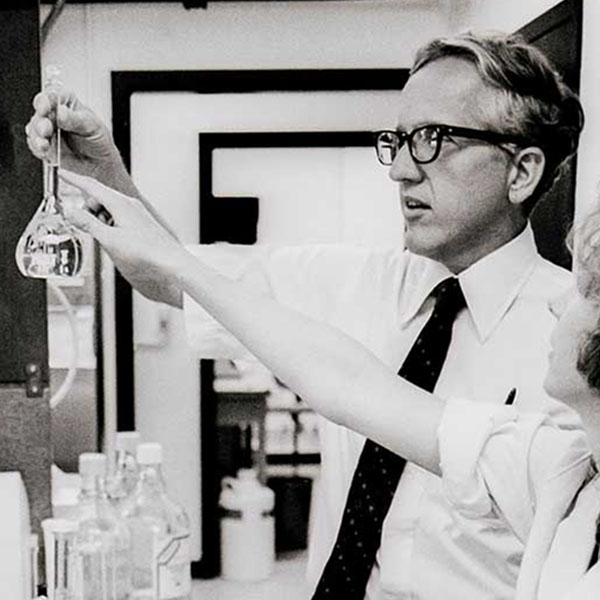
Based on a course taught by Dr. T. Colin Campbell, who held an endowed chair at Cornell University, the #1 nutrition department in the world

Organized by Dr. Campbell’s students after he retired from Cornell, utilizing the same format in which he hosted internationally recognized health and nutrition presenters

Fifteen years and 24,000 graduates later, the certificate program remains the top plant-based nutrition program.