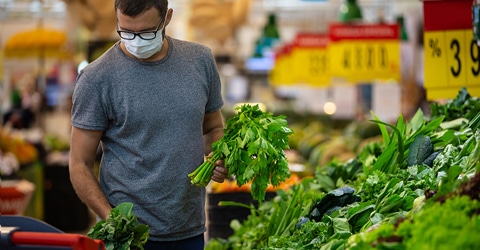
Could Changing Our Diets Defeat COVID-19?
T. Colin Campbell, PhD, the author of The China Study, considers whether diet could help combat COVID-19, the novel coronavirus.
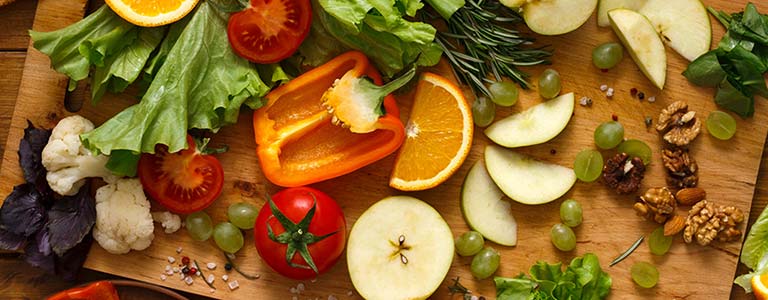
Could Changing Our Diets Defeat COVID-19?
T. Colin Campbell, PhD, the author of The China Study, considers whether diet could help combat COVID-19, the novel coronavirus.
How I Stopped My Migraines & What I Wish I Had Known as a Doctor
Would I still be a doctor if I had known the role of nutrition in health and disease? Transitioning to a whole food, plant-based diet put an end to my chronic migraine headaches.
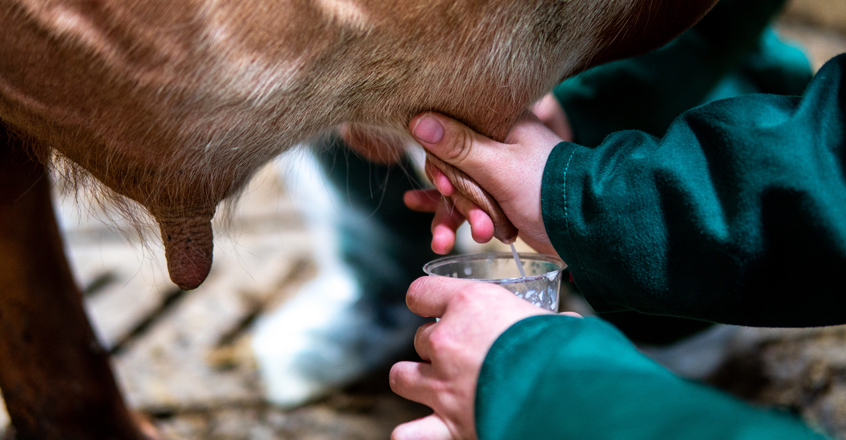
Is Raw Milk Better for You? What About Goat Milk?
Is it okay to drink raw milk? Is unpasteurized milk better? Learn the science behind why raw milk and goat milk are not necessarily healthier choices.
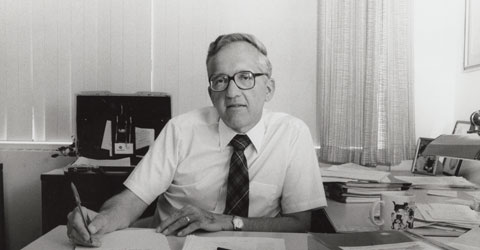
China Project History Part 3: An Unprecedented Collaboration
The China Project started in a friendship between Dr. T. Colin Campbell and Dr. Chen Junshi.
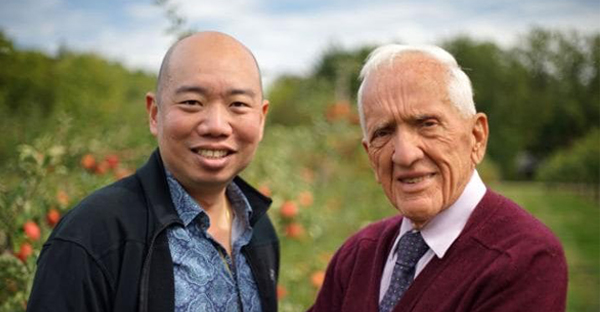
British Broadcasting Corporation (BBC), Your Credibility Is Tarnished
Dr. Giles Yeo interviewed me for the BBC. It is now abundantly clear that Yeo and the BBC intended to disparage the notion that food matters for our health.

Precision Medicine Initiative: Wealth For a Few & Poor Health For Many?
The new PMI is very similar to the experimental design of Dr. Campbell’s 1980’s NIH proposal. Unlike PMI, its emphasis was on nutrition not on pharmaceuticals.
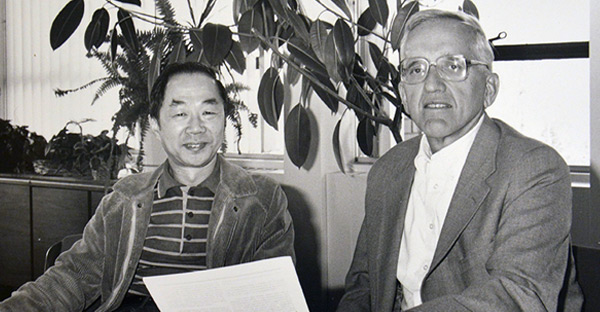
China Project History Part 2: Serendipity of a Study
Take a behind the scenes peek at the research project that lead to The China Study.
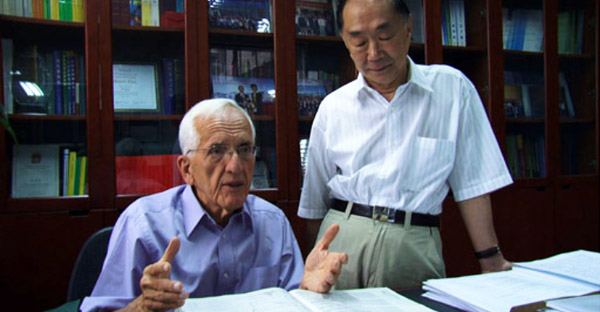
China Project History Part 1: A Personal Story
Take a behind the scenes peek at the research project that lead to The China Study.
I am writing in response to George Johnson’s article in the New York Times An Apple a Day, and Other Myths dated 4/21/14. With this title, I am imagining that the New York Times is proposing to be our myth buster.

Everyday Miracles – My Weight and Cholesterol Are Down
I no longer eat peanut butter or chocolate. It’s a miracle.

Writing The China Study and Relaxing With the Big Picture
For the past several years, I have been giving more and more thought to the nature of nutrition information and discussion in America.
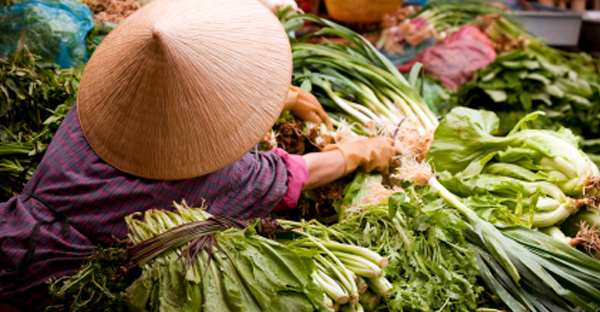
Tracking Anti-Oxidants in Rural China
In the China Study, total vegetable consumption was 315 grams/day (11.1 oz) compared to 181 grams/day (6.3 oz) in the US. We were able to get a pretty good idea of antioxidant vitamin status by comparing the relative percentages …
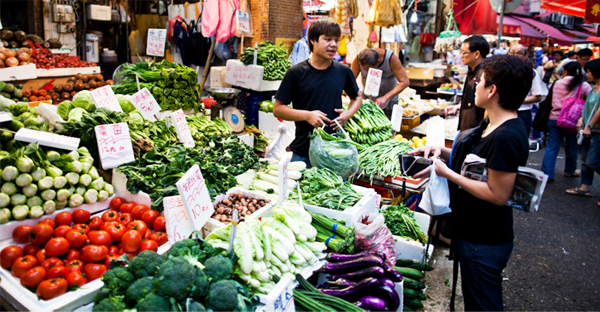
Applying Results From The China Project
How do we know that the results from the China Project apply to people in the West. Aren't the Chinese much more physically active than Americans? Could this influence disease outcomes?
Are Your Genes Hazardous to Your Health?
In 2005, I again visited China (my tenth trip since 1981!) Each time, I am reminded more of how much smaller and interconnected our world is becoming.
Dietary Fat is Only Partly Where It’s At
The breast cancer/dietary fat relationship, once a key point in getting American women to switch their eating habits, has now been seriously challenged. A prominent Harvard study of nearly 90,000 American nurses,
China Report: A Disease Profile
In China, we came to discover the differences between diseases of nutritional extravagance and poverty when we decided to find out why various diseases were clustered in the ways that they were in various parts of the country.
Cancer in China vs. United States
How do we know that the results from the China Project apply to people in the West. Aren't the Chinese much more physically active than Americans? Could this influence disease outcomes?
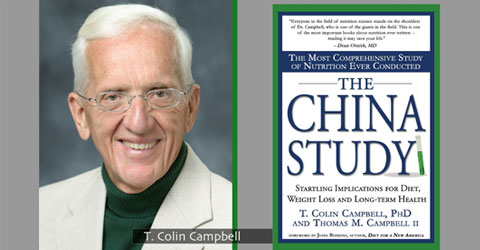
A Response to Denise Minger’s Critique of The China Study
My response can be divided into three parts, mostly addressing her lack of proportionality—what’s important and what’s not.
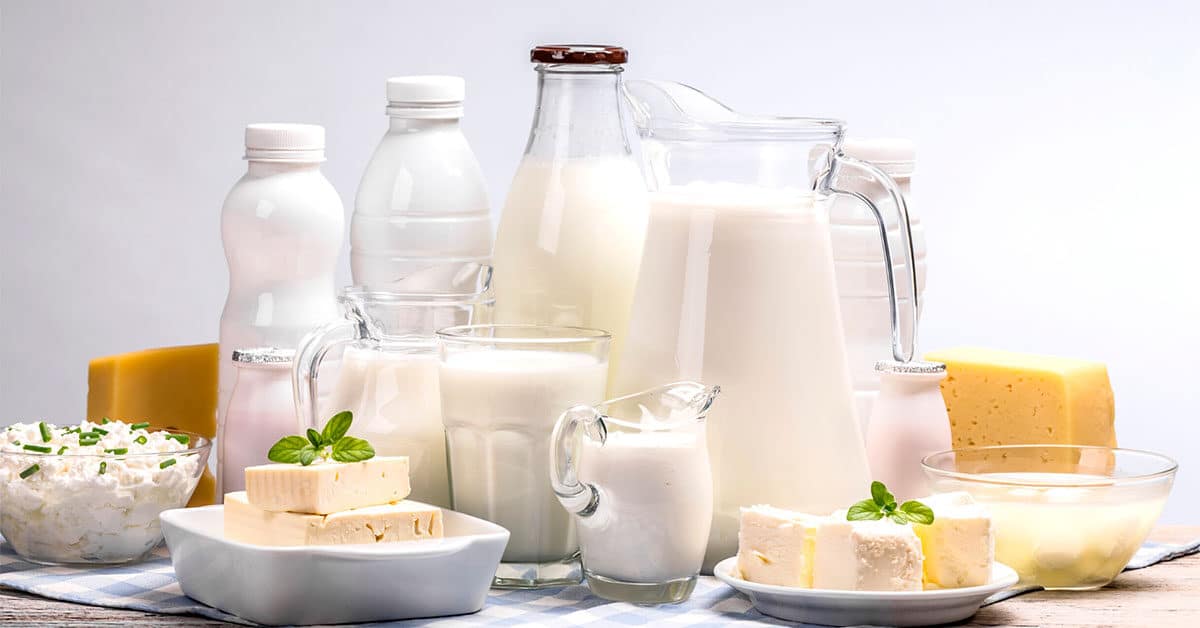
Dairy Consumption Leads to Serious Health Outcomes, Not Weight Loss
There are few if any health topics that are more contentious and personally sensitive than the question of the health benefits and risks of cow's milk and its products.
Eating More Calories, Staying Thinner
Although the average caloric intake of the Chinese is higher than that of Americans (2640 vs. 2360 for adult males), and despite their smaller stature, the Chinese are much thinner than Americans.

Do we need more calcium in order to avoid osteoporosis, the progressive thinning of bones in the elderly? In the West we are certainly told so. The dairy industry vigorously promotes the suggestion that without its products we face an unpleasant and probably shrunken future.
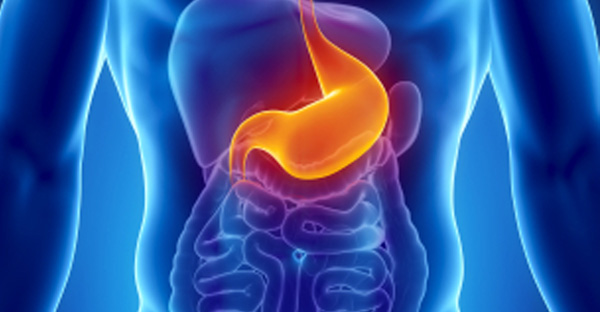
While all cancer rates are generally very low in China, stomach cancer leaps out as a glaring exception.
China Report: Cholesterol and Cancer
Most of us have heard a great deal about the link between high cholesterol and heart disease. But how many have heard that high blood cholesterol levels are also associated with cancer?